
THE ENVIRONMENT
MARGARET RIVER REGION
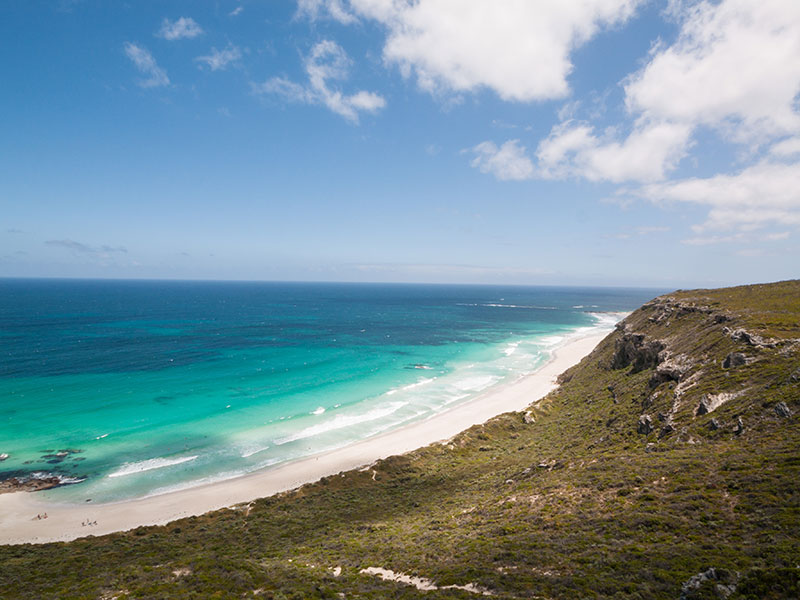
Margaret River is famous for its pristine beaches, powerful surf, amazing limestone caves, majestic eucalypt forests, picturesque farmland and for the worldwide recognition of its super premium wines. The township of Margaret River is located some 280kms south of Perth in the South West of Western Australia. Today, any land that lies west of the line of longitude 115S 18E is in the Margaret River wine region.
THE BEGINNING
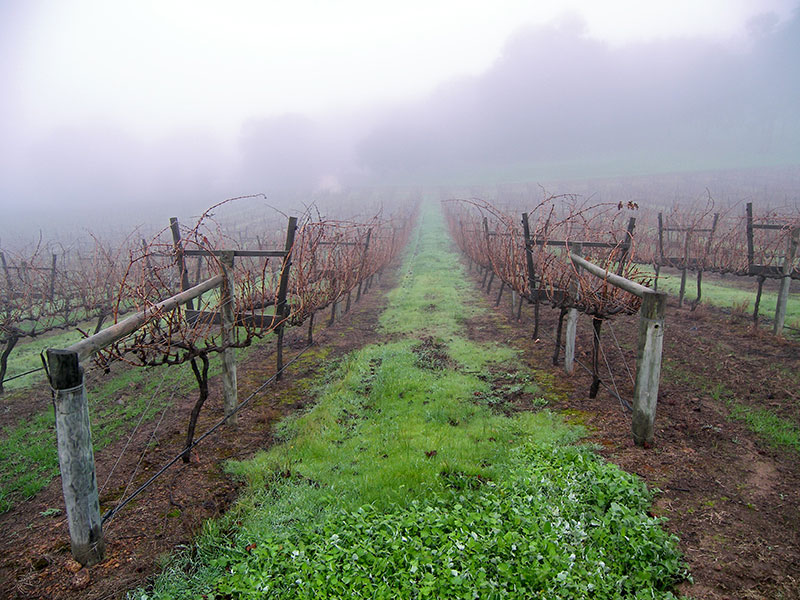
Wine grapes were first planted in the Busselton area soon after European settlement in the 1830s. Plantings came and went over the decades, but grape growing didn’t become a serious pursuit until the early 20th century, when Italian migrants began farming on a larger scale.
Jimmy Meleri is believed to have planted Doradillo on his 560-acre property in Yallingup before 1917, producing his first wines and selling them for a shilling a bottle at local dances. The Credaro, Lepidi, Palandri and other families followed, often planting now-forgotten varieties such as Muscatel, Black Prince, Constantia and Ave Maria.
In the 1960s, agronomist Dr John Gladstones of the University of Western Australia identified Margaret River and its surrounds as ideal for producing premium wines. Following a public meeting he held in Busselton in 1966, the region’s modern wine industry began with the planting of Vasse Felix in 1967 — the first commercial vineyard in Margaret River. Gladstones’ vision has since been fully realised, with the region recognised as one of Australia’s finest.
Today, Margaret River is divided into six sub-regions — Yallingup, Carbunup, Wilyabrup, Treeton, Wallcliffe and Karridale — each shaped by its own soils, aspect and microclimate, adding depth and diversity to the region’s wines.
Geography, Geology, Climate & Soils
Margaret River’s climate is shaped by the surrounding oceans — the Indian Ocean to the west, Geographe Bay to the north, and the Southern Ocean to the south. The warm Leeuwin Current moderates temperatures, keeping frost rare and conditions consistent for grape growing.
Frequent coastal winds, including the famed Fremantle Doctor, bring afternoon relief during summer, helping protect vines from heat stress and maintaining a long, even ripening season.
Vineyard soils here have formed from weathered granite and gneiss, creating gravelly, well-drained profiles that add distinctive regional character to the wines. The landscape sits atop the ancient Leeuwin-Naturaliste Ridge — a mosaic of ironstone, granite, and limestone that gives the region its striking topography.
Margaret River enjoys a temperate maritime climate with hot, dry summers and cool, wet winters. Around 1,000 mm of rainfall falls mostly between May and September, making it one of the most reliable and consistent winegrowing regions in Australia.
Sub Region Yallingup
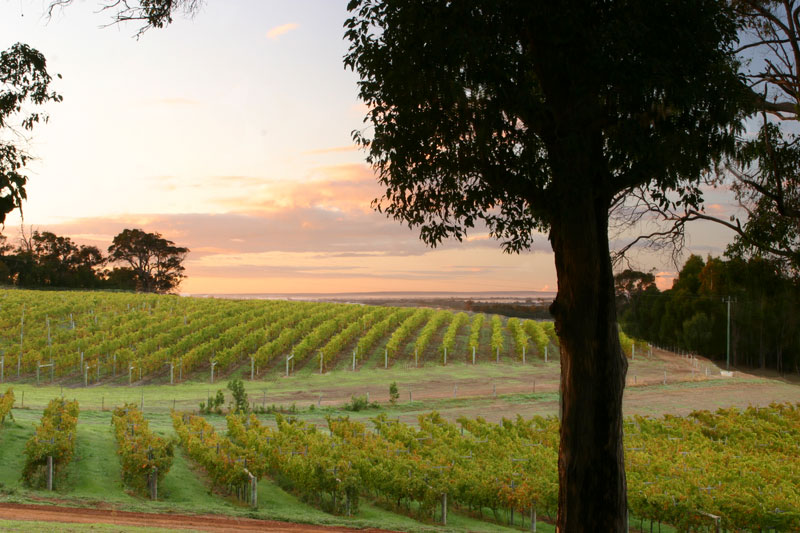
Forester Estate sources its fruit predominately from the most northern sub-region in Margaret River, Yallingup.
The sub-regions of Margaret River are designated by the water drainage basins that naturally exist. The Gunyulgup Brook that drains towards Yallingup is the dominant valley of this subregion, however, there is also substantial vineyard area planted on the Eastern facing slopes of the ridge.
Yallingup is influenced by the coastal south west sea breezes that blow over the warm Leeuwin current traveling south along the coast.
The other water body that influences Yallingup is Geographe Bay - a wide, shallow bay that holds higher water temperatures than the Indian Ocean to the west of the cape.
This combination allows an extreme Mediterranean influence for this sub-region, segregating it from sub-regions further south that are subject to cooler Southern Ocean breezes with greater accompanying cloud cover.